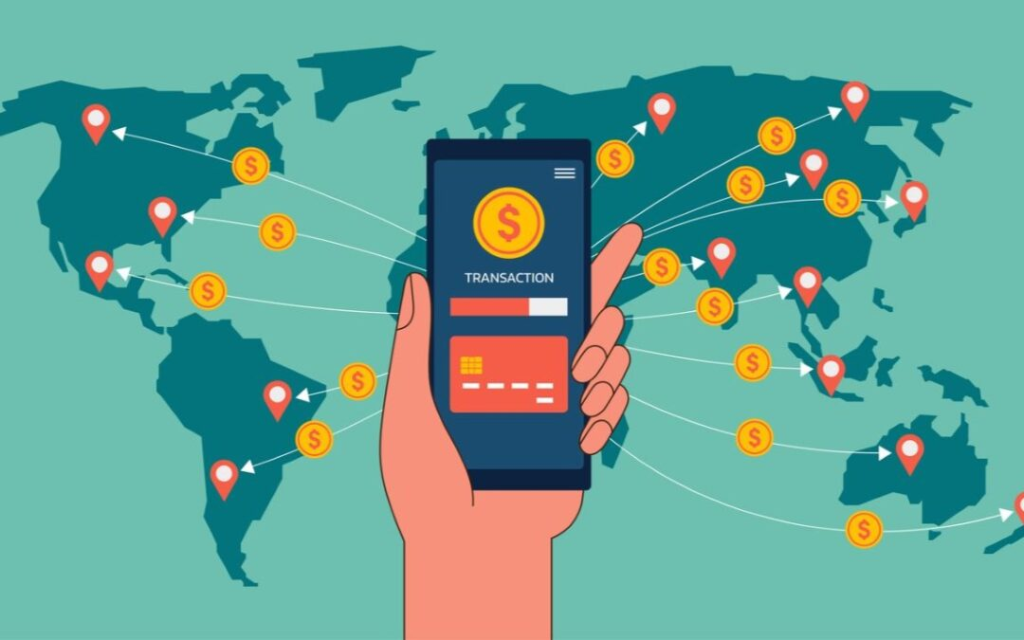
Selecting the right payment processor is a critical decision that directly impacts your business operations, customer satisfaction, and bottom line. The best payment processors for small businesses combine competitive transaction fees, robust security features, and reliable customer support to help you focus on growth rather than payment complications.
When evaluating online payment solutions in the USA, consider factors beyond just pricing. Look for platforms that offer seamless integration with your existing POS systems and e-commerce platforms, support for multiple payment methods (credit cards, debit cards, Apple Pay, Google Pay), and provide detailed analytics to track your revenue. Leading payment processors also offer next-day funding, helping improve your cash flow and business operations.
Low-fee payment platforms are increasingly popular among small and medium-sized businesses looking to maximize profitability. While transaction fees typically range from 1.5% to 3.5%, the best processors offer transparent interchange-plus pricing with no hidden charges, monthly fees, or setup costs. Our comparison highlights providers that deliver exceptional value—combining affordable pricing with enterprise-grade features like advanced fraud protection, PCI compliance, and 24/7 support to help your business thrive in today's competitive landscape.
How Payment Processors Impact Conversion Rates and Customer Trust
Choosing the best payment processor for e-commerce is not only about transaction fees. Checkout design, approval rates, and fraud controls directly influence conversion rates. Look for online payment solutions that offer one-click checkout, card vaulting, and smart retry logic to lift successful payment rates. Support for network tokens, 3D Secure 2.0, and flexible fraud rules can reduce chargebacks while keeping genuine customers on track. Transparent reporting and real-time alerts help your team resolve issues fast and build trust with new buyers.
If your store sells to both domestic and international customers, prioritize processors with strong authorization performance in the USA and abroad. Multi-currency support, local payment methods, and clear tax handling remove friction at the point of sale. A payment processor that pairs high approval rates with solid dispute management will protect revenue and improve customer lifetime value.
Key Features to Compare Before Choosing a Payment Processor
Evaluate total cost of ownership, not just the headline rate. The best payment processors for businesses provide clear pricing with no hidden monthly fees or setup costs, along with PCI-compliant tools and built-in fraud protection. Robust APIs, webhooks, readable documentation, and a reliable sandbox environment help developers ship faster and reduce maintenance work. Ask about historical uptime, incident response times, and access to 24/7 customer support.
Scalability matters as you grow. Subscription billing, invoicing, dunning management, and comprehensive analytics can replace add-on tools and simplify your tech stack. If you need B2B payment features, check for Level 2 and Level 3 data support to improve interchange optimization. Ensure you can export data easily and migrate without disrupting existing customers. Selecting a flexible, transparent payment platform today saves time and cost as your business expands.
Understanding Payment Processing Fees and Pricing Models
Payment processing fees vary significantly between providers and pricing models. The most common structures include flat-rate pricing, where you pay a fixed percentage per transaction regardless of card type, and interchange-plus pricing, which passes through the actual interchange rate plus a small markup. For high-volume businesses, interchange-plus typically offers better value, while flat-rate pricing provides predictability for smaller operations. Some processors also offer tiered pricing, though this model can be less transparent and may result in higher costs for certain transaction types.
Beyond transaction fees, watch for additional charges that can add up quickly. These include monthly account fees, statement fees, PCI compliance fees, chargeback fees, and early termination penalties. The best payment processors are upfront about all costs and offer competitive rates without locking you into long-term contracts. Always request a complete fee schedule before signing up and compare the total cost based on your expected transaction volume and average ticket size.
Security Features and PCI Compliance
Security should be a top priority when selecting a payment processor. Look for providers that offer end-to-end encryption, tokenization of sensitive card data, and robust fraud detection tools. PCI DSS compliance is mandatory for any business handling credit card information, and the right processor will help simplify your compliance requirements by handling most of the security burden. Advanced features like velocity checks, address verification (AVS), and CVV matching add extra layers of protection against fraudulent transactions.
Modern payment processors also incorporate machine learning-based fraud prevention that analyzes transaction patterns in real-time to identify suspicious activity without blocking legitimate customers. This balance between security and customer experience is crucial for maintaining high approval rates while minimizing chargebacks. Consider processors that offer customizable fraud rules and detailed transaction insights so you can fine-tune protection levels based on your specific business needs and risk tolerance.