Same Payment Options Online & In-Store? 2026 Merchant Guide
Discover if offering consistent payment options online and in-store is crucial for your business in 2026. Learn best practices, customer expectations, and operational trade-offs.
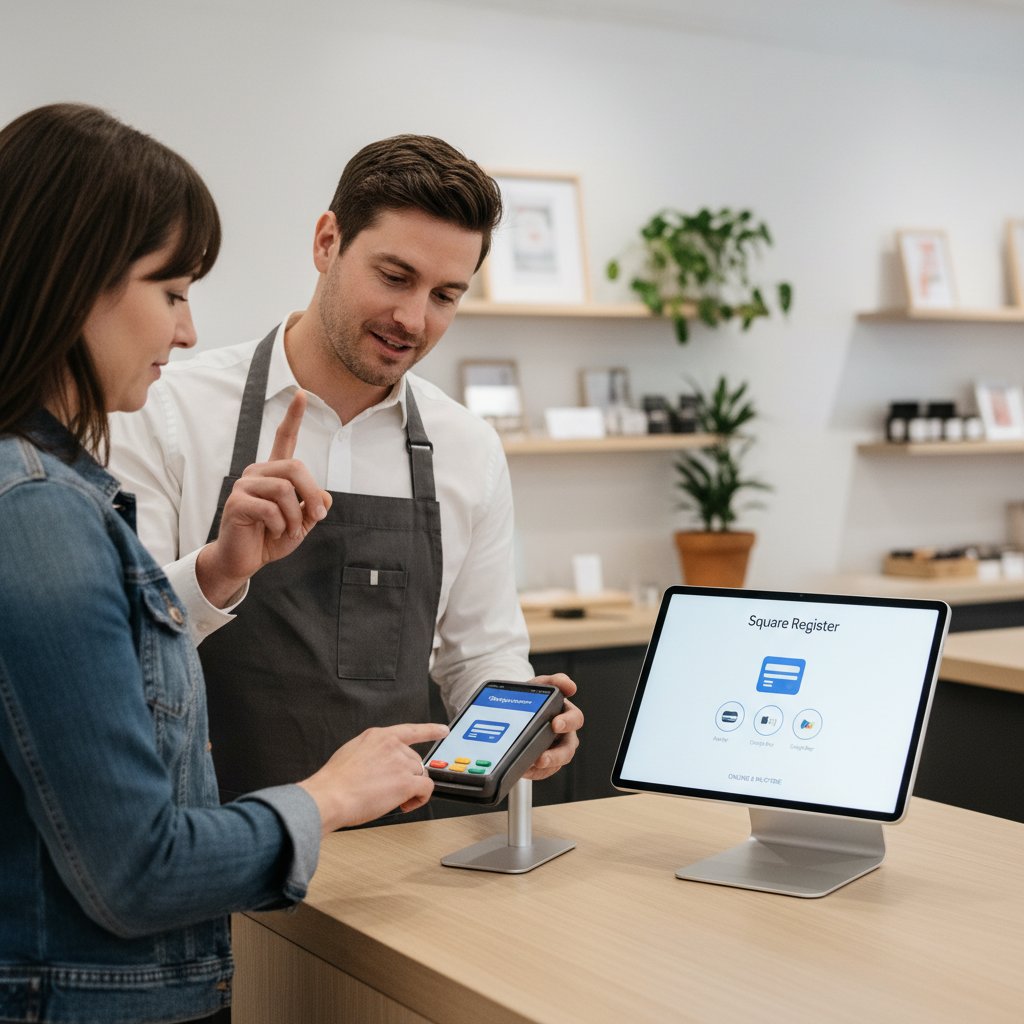
Yes, customers absolutely should see largely consistent payment options online and in-store in 2026. Providing a unified payment experience is no longer just a best practice; it's a fundamental expectation that significantly impacts customer satisfaction, loyalty, and conversion rates. While minor variations might be unavoidable due to technical or logistical constraints, the core suite of payment methods - credit/debit cards, popular digital wallets, and increasingly, buy now, pay later (BNPL) services - should be mirrored across all sales channels.
This guide will explore why this consistency is critical, what payment options are stable across channels, and how businesses can navigate the nuances to deliver a seamless omnichannel payment experience in the current retail landscape.
Why is Payment Option Consistency Crucial for Customer Experience in 2026?
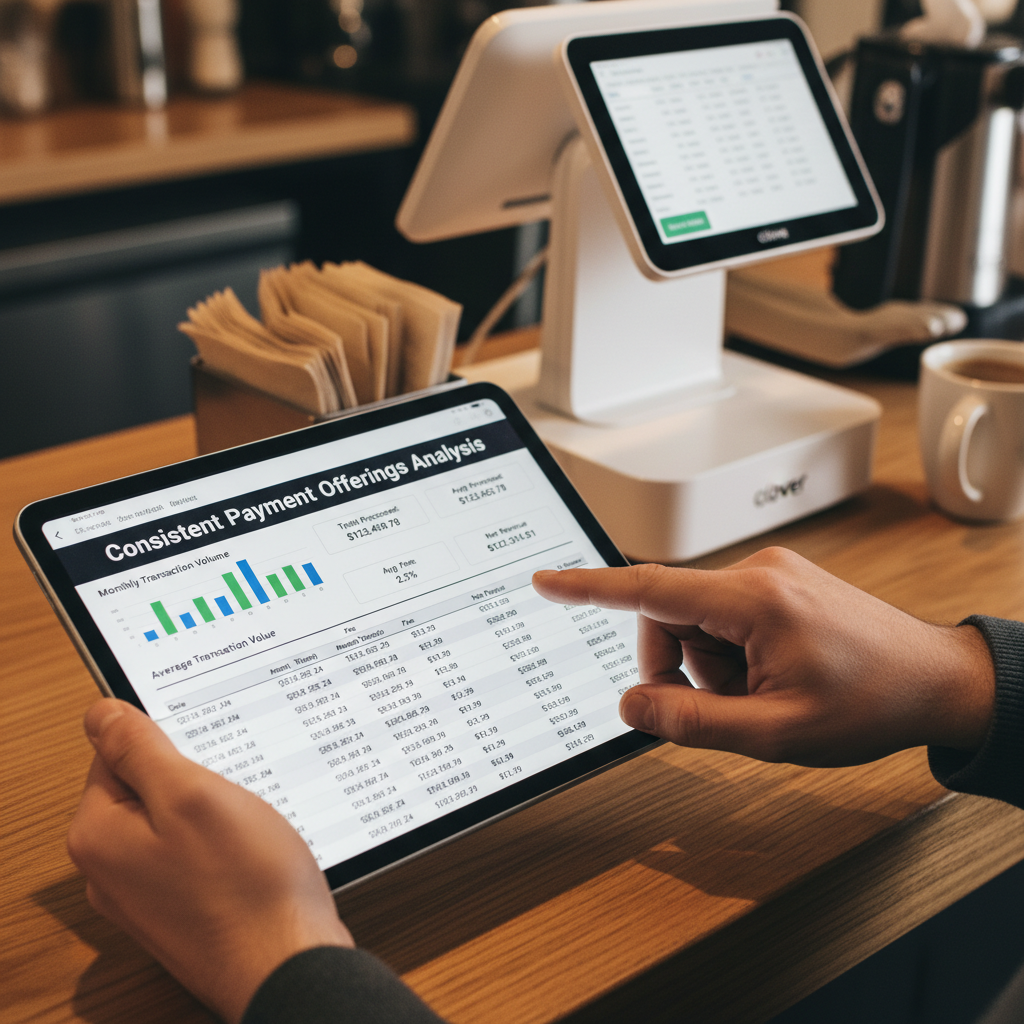
Payment option consistency is crucial because it builds trust, reduces friction, and meets the modern customer's expectation for a seamless shopping journey. In 2026, consumers move fluidly between digital and physical touchpoints, often starting their journey in one channel and completing it in another. A disjointed payment experience - where a preferred method available online isn't offered in-store, or vice-versa - can lead to frustration, abandoned purchases, and a negative perception of your brand. Research indicates that 68% of consumers expect a consistent experience across all channels, with payment options being a key component of that expectation.
Consistency also reinforces brand reliability. When a customer knows they can use their preferred payment method regardless of how they interact with your business, it signals professionalism and customer-centricity. This is particularly important with the rise of digital wallets and BNPL services, which have become standard for many shoppers. For more insights on optimizing payment processing, consider reviewing our guide on The Lowest Transaction Fees Payment Processors: A 2026 Comparison Guide.
What Payment Options Are Stable Across Online and In-Store Channels?
Several core payment options are stable and expected across both online and in-store channels, forming the foundation of a consistent payment experience. These include major credit and debit cards, popular digital wallets, and increasingly, flexible financing solutions.
Credit and Debit Cards: Visa, Mastercard, American Express, and Discover remain universally accepted. Merchants should ensure their payment processors support these major networks both online (via payment gateways) and in-store (via POS terminals). Transaction fees for these can vary; for example, interchange-plus models might offer better rates for high-volume merchants compared to flat-rate options. A comprehensive comparison of processors like Square, Stripe, and PayPal can be found in our article, Square vs Stripe vs PayPal vs Clover for Small Businesses 2026: The Ultimate Comparison. Digital Wallets: Apple Pay, Google Pay, and Samsung Pay are now standard. Online, these are integrated into checkout flows. In-store, NFC-enabled POS terminals facilitate tap-to-pay functionality. Offering these reduces checkout time and enhances security for customers. PayPal, while primarily an online wallet, also offers in-store QR code payment solutions through partners, blurring the lines further. Buy Now, Pay Later (BNPL) Services: Providers like Affirm, Klarna, Afterpay, and Zip have seen explosive growth. While traditionally online-focused, many BNPL services now offer virtual cards or in-app payment options for in-store purchases, allowing customers to finance purchases at the physical point of sale. Integrating these provides significant flexibility and can boost average order value.
Ensuring these fundamental options are available everywhere your customers shop with you creates a baseline of consistency that meets modern expectations. Merchants should regularly review their payment processor capabilities to ensure they can support these evolving trends.
How Do Operational Trade-Offs Impact Payment Consistency?
Operational trade-offs, such as varying transaction fees, hardware requirements, and integration complexities, significantly impact a merchant's ability to offer consistent payment options. While the goal is uniformity, practical considerations often dictate slight differences.
For instance, in-store payments typically involve physical POS terminals, which may have specific hardware and software integrations. Online payments, conversely, rely on payment gateways and APIs. A small business might find a unified solution like Square or Clover appealing for its integrated POS and online store capabilities, simplifying management and ensuring feature parity. However, larger enterprises might opt for a more modular approach, using different providers for online (e.g., Stripe for its robust API) and in-store (e.g., a traditional merchant account with a dedicated POS system) to optimize for specific features or lower volume-based fees. Understanding these nuances is key to selecting the best payment processors transparent pricing comparison: Practical Guide for 2026.
Transaction fees are another major factor. While a credit card swipe in-store might incur a flat rate plus a small percentage, an online transaction for the same card could have slightly different gateway fees or fraud prevention costs. Merchants must weigh the cost-effectiveness of different processors across channels. For example, some processors offer lower rates for card-present transactions, while others specialize in optimizing online conversion rates. Balancing these costs while maintaining consistency requires careful evaluation.
What Are the Benefits of a Unified Payment Strategy?
A unified payment strategy offers numerous benefits, including enhanced customer loyalty, improved data analytics, and streamlined operational management. When customers have a consistent and positive payment experience, they are more likely to return, increasing their lifetime value.
Enhanced Customer Loyalty: A seamless experience across channels fosters trust and reduces friction, making customers more likely to complete purchases and become repeat buyers. This consistency removes potential pain points that could lead to cart abandonment or a negative brand perception. Improved Data Analytics: By centralizing payment data from both online and in-store transactions, businesses gain a holistic view of customer spending habits. This unified data allows for more accurate sales forecasting, personalized marketing campaigns, and better inventory management. Understanding customer preferences, such as their preferred payment method, can inform future strategic decisions. Streamlined Operations: Managing fewer payment processors or a single omnichannel solution simplifies reconciliation, reporting, and customer service. It reduces the administrative burden and potential for errors associated with disparate systems. This efficiency can lead to cost savings and allow staff to focus on more value-added activities.
- Reduced Cart Abandonment: When customers encounter their preferred payment method, whether online or in-store, they are less likely to abandon their purchase. This directly translates to higher conversion rates and increased revenue. For a deeper dive into specific processor fees, see our comparison of Stripe vs PayPal vs Square vs Helcim vs PaymentCloud Fees 2026: A Definitive Comparison.
Implementing a unified payment strategy, though it may require initial investment, pays dividends in customer satisfaction and operational efficiency.
Are There Any Exceptions to Offering Identical Payment Options?
While consistency is the goal, minor exceptions to offering identical payment options can exist due to specific channel limitations or unique business models. These exceptions should be clearly communicated to customers to manage expectations.
One common exception involves cash payments. Cash is exclusively an in-store option and cannot be replicated online. Similarly, some niche payment methods might only be viable in one channel. For example, certain regional debit card networks might only be supported by specific in-store POS systems, or a highly specialized online financing option might not have an in-store equivalent.
Another scenario involves security and fraud prevention. Online transactions often require more robust fraud detection tools and authentication protocols (like 3D Secure) that are less relevant for card-present transactions. This might lead to slight variations in how certain payment types are processed or verified, even if the option itself is available across channels. However, these differences are typically backend processes that don't affect the customer's choice of payment method.
Merchants should evaluate these exceptions carefully, ensuring they don't significantly detract from the overall consistent experience. Transparency with customers about available payment methods in each channel is paramount.
Conclusion
In 2026, providing customers with largely consistent payment options online and in-store is not merely a recommendation, but a strategic imperative. It underpins a positive customer experience, fosters loyalty, and drives conversions in an increasingly omnichannel retail environment. While operational nuances and specific channel limitations may necessitate minor variations, the core suite of payment methods - major credit/debit cards, leading digital wallets, and popular BNPL services - should be universally available.
Businesses that prioritize a unified payment strategy will benefit from streamlined operations, richer data insights, and a stronger competitive edge. Regularly assessing your payment processors and adapting to evolving customer expectations will be key to maintaining this consistency. To optimize your payment infrastructure, explore our detailed comparisons and guides on MyPayAdvisor.com.
FAQ
Should I offer the exact same payment methods online and in-store?
Ideally, yes, you should offer largely the same payment methods online and in-store. This consistency meets customer expectations for a seamless experience, reduces friction, and builds trust. While minor exceptions like cash (in-store only) or highly specialized online financing may exist, the core options like major credit cards, digital wallets (Apple Pay, Google Pay), and popular BNPL services should be mirrored across channels.
What are the benefits of consistent payment options across channels?
Consistent payment options across channels offer several benefits, including enhanced customer loyalty due to a frictionless experience, improved data analytics from a unified view of transactions, streamlined operational management by reducing system complexities, and lower cart abandonment rates as customers can always use their preferred payment method.
What payment methods are most important to offer consistently?
The most important payment methods to offer consistently across online and in-store channels in 2026 include major credit and debit cards (Visa, Mastercard, Amex, Discover), popular digital wallets (Apple Pay, Google Pay, Samsung Pay), and leading Buy Now, Pay Later (BNPL) services (Affirm, Klarna, Afterpay).
Can different payment processors be used for online and in-store payments?
Yes, businesses can use different payment processors for online and in-store payments, but this can complicate reconciliation and data management. Many modern processors offer integrated solutions that cover both channels, simplifying operations and helping maintain consistency. The choice often depends on transaction volume, specific feature needs, and cost optimization strategies.
How do I handle payment methods like cash that are only available in-store?
For payment methods like cash that are exclusively in-store, clearly communicate this to customers. While cash cannot be offered online, ensuring all other major digital and card-based payment options are consistent across both channels will still provide a largely unified and positive customer experience.