Lowest Transaction Fees 2026: 12 Apps Compared
Twelve payment apps compared on real 2026 effective rates, hidden fees, and contract terms. Includes side-by-side savings examples for $50K to $1M monthly.
Reviewed for technical accuracy by Barak Bachar, Global Payments Manager · LinkedIn

Identifying the lowest transaction fees for merchant payment apps in 2026 requires a nuanced understanding of pricing models, as the "lowest" rate often depends on a merchant's specific transaction volume, average ticket size, and business type. Generally, Square, Stripe, and PayPal continue to offer competitive flat rates for smaller businesses, while larger operations may find greater savings with interchange-plus models from providers like Helcim or Payment Depot. The optimal choice balances transparent per-transaction costs with essential features and reliable service.
This guide from MyPayAdvisor.com delves into the evolving landscape of payment app fees, providing 2026 projections and actionable advice for merchants aiming to optimize their processing costs. We'll compare leading platforms, expose hidden charges, and outline strategies to secure the most favorable rates for your business.
The lowest transaction fees for merchant payment apps in 2026 are highly dependent on a business's specific needs, but generally fall into three main categories: flat-rate, interchange-plus, and subscription models. For small businesses with unpredictable volumes or lower average transaction values, flat-rate providers like Square and PayPal Zettle often present the lowest upfront costs and simplest pricing, typically ranging from 2.29% to 2.75% + $0.10 for in-person transactions and 2.9% to 3.5% + $0.30 for online. Businesses with higher volumes or larger average tickets may find significant savings with interchange-plus models, where fees can drop below 2.0% + $0.10 per transaction, plus a small markup.
Comparison of typical 2026 transaction fees for popular payment apps:
Square: 2.6% + $0.10 (in-person), 2.9% + $0.30 (online), 3.5% + $0.15 (keyed-in). Known for transparent, easy-to-understand pricing, ideal for startups and small retail/service businesses. No monthly fees for basic processing. Stripe: 2.9% + $0.30 (online), 2.7% + $0.05 (in-person via Stripe Terminal). Favored by e-commerce businesses and platforms for its robust API and developer tools. Volume discounts are available for businesses processing over $80,000/month. PayPal Zettle: 2.29% (in-person), 3.49% + $0.09 (online). A strong contender for mobile and in-person sales, especially for micro-merchants and pop-up shops. Integrates well with the broader PayPal ecosystem. Helcim: Interchange-plus pricing, typically starting around Interchange + 0.15% + $0.08 for in-person and Interchange + 0.30% + $0.15 for online. This model is often the most cost-effective for businesses with higher monthly processing volumes, as it passes the raw interchange rate directly and adds a small, transparent markup. Helcim also offers a free payment app and virtual terminal. Payment Depot: Subscription-based model with interchange-plus pricing. Monthly fees range from $59 to $199, with transaction fees as low as Interchange + $0.05-$0.15. Best suited for businesses processing over $10,000-$20,000 monthly, where the subscription fee is offset by significantly lower per-transaction costs.
How do payment app fee structures compare in 2026?
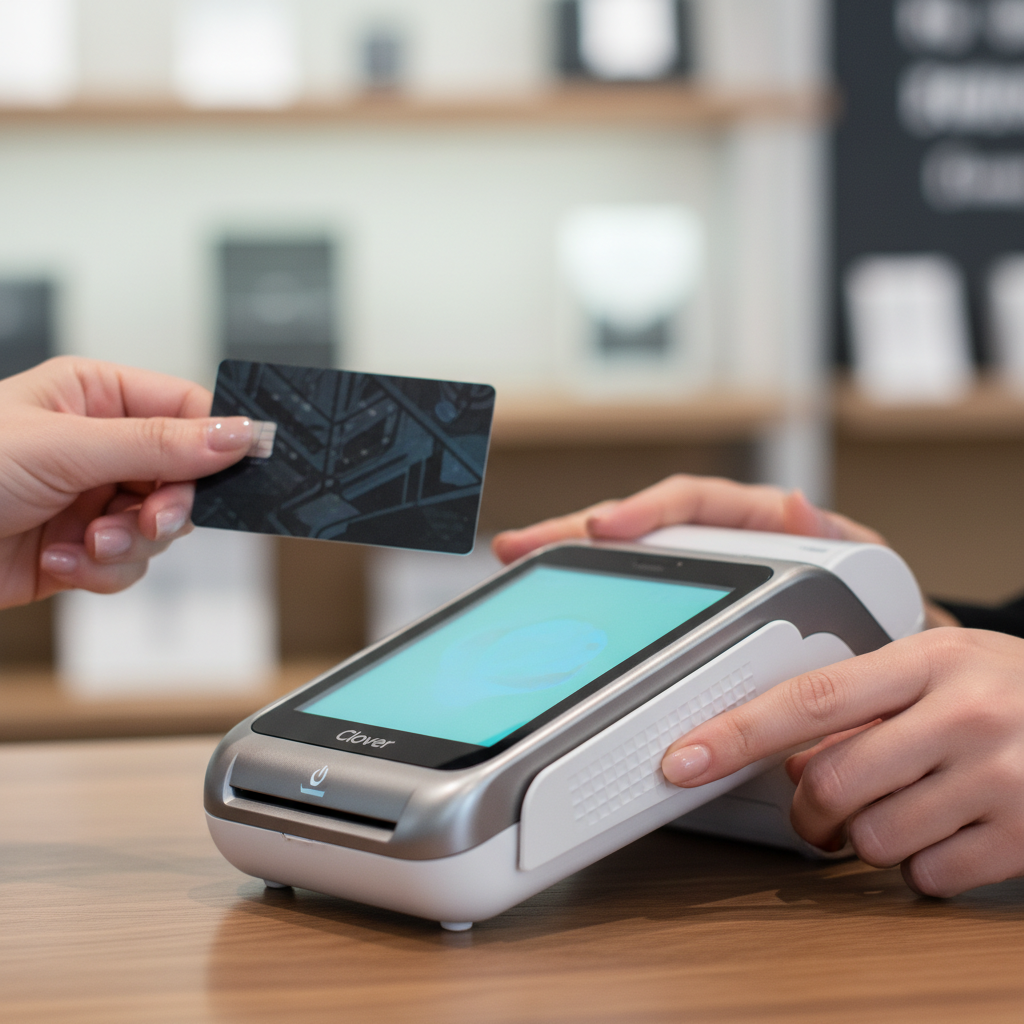
Payment app fee structures in 2026 primarily compare across three models: flat-rate, interchange-plus, and tiered pricing, each with distinct advantages and disadvantages depending on a merchant's operational profile. Flat-rate models offer simplicity and predictability, charging a consistent percentage and often a small fixed fee per transaction, making them ideal for new or smaller businesses. Interchange-plus models provide the most transparency and often the lowest overall cost for higher-volume merchants by separating the non-negotiable interchange fee from the processor's fixed markup. Tiered pricing, while less common for modern payment apps, groups transactions into vague categories (qualified, mid-qualified, non-qualified) and can lead to higher, less predictable costs.
1. Flat-Rate Pricing: Pros: Easy to understand, simple budgeting, no hidden fees for different card types. Often includes basic hardware and software without extra monthly charges. Cons: Can be more expensive for businesses with high average transaction values or significant monthly volume, as the percentage applies to every dollar processed regardless of the underlying interchange cost. Best For: Small businesses, startups, seasonal businesses, and those with average monthly processing under $5,000-$10,000. Examples: Square, Stripe (for basic plans), PayPal Zettle.
2. Interchange-Plus Pricing: Pros: Most transparent and often the lowest overall cost for established businesses. Merchants pay the actual interchange fee (set by card networks like Visa/Mastercard) plus a small, fixed markup to the processor. This allows for accurate cost analysis. Cons: More complex to understand initially due to varying interchange rates. May involve a separate monthly fee from the processor. Best For: Medium to large businesses, those processing over $10,000-$20,000 monthly, and merchants with consistent transaction volumes. Examples: Helcim, Payment Depot, many traditional merchant account providers.
3. Subscription/Membership Pricing: Pros: Combines a fixed monthly fee with very low per-transaction rates (often close to interchange cost), leading to substantial savings for high-volume merchants. Provides access to premium features or dedicated support. Cons: Not cost-effective for low-volume businesses, as the fixed monthly fee can outweigh transaction savings. Requires a commitment to a monthly charge. Best For: High-volume e-commerce, established retail, and businesses with processing volumes exceeding $20,000-$30,000 monthly. Examples: Payment Depot, some enterprise-level Stripe plans.
Which payment apps offer the best value for small businesses in 2026?
For small businesses in 2026, the best value payment apps are those that balance competitive transaction fees with essential features, ease of use, and minimal upfront costs. Square and PayPal Zettle consistently rank high for their straightforward flat-rate pricing, integrated hardware, and robust ecosystems that support various business types. Stripe also offers excellent value for online-first small businesses requiring advanced customization and scalability.
Square: Continues to be a top choice for small businesses due to its all-in-one ecosystem. For 2.6% + $0.10 (in-person) or 2.9% + $0.30 (online), merchants get a free POS app, basic analytics, inventory management, and often a free card reader. This bundled value proposition is hard to beat for micro-merchants, food trucks, and small retail. PayPal Zettle: With in-person rates at 2.29%, Zettle offers one of the lowest flat rates for physical transactions, making it highly attractive for mobile businesses, market vendors, and small cafes. Its integration with PayPal's vast user base also simplifies online payments and invoicing. Stripe: While often perceived as an e-commerce giant, Stripe's basic online processing at 2.9% + $0.30 and in-person options via Stripe Terminal (2.7% + $0.05) make it competitive for small businesses with a strong digital presence or those planning to scale rapidly. Its developer-friendly tools allow for deep integration and automation, providing long-term value. SumUp: Similar to Zettle, SumUp offers a simple flat rate (e.g., 2.69% for all transactions) with no monthly fees, making it another excellent option for very small businesses or those with infrequent sales. Their card readers are affordable and user-friendly.
When evaluating value, small businesses should consider not just the percentage per transaction but also monthly fees, PCI compliance fees, chargeback fees, and the cost of necessary hardware. Many of these top apps include these elements in their core offering, simplifying cost management for entrepreneurs. For a deeper dive into overall costs, refer to MyPayAdvisor's guide on Payment Processor Fees & Conversion Rates: 2026 Merchant Evaluation.
What are the hidden fees to watch out for with merchant payment apps in 2026?
Even with seemingly transparent payment app pricing, merchants in 2026 must remain vigilant for several hidden fees that can significantly inflate overall processing costs. These often include PCI compliance fees, chargeback fees, monthly minimums, statement fees, and early termination penalties, which are not always prominently advertised. Understanding these potential charges is crucial for accurate cost projections.
Here's a checklist of common hidden fees:
PCI Compliance Fees: Many processors charge an annual or monthly fee (e.g., $9.95/month or $99/year) to ensure your business meets Payment Card Industry Data Security Standard requirements. While crucial for security, some providers bundle this, while others charge separately. Chargeback Fees: When a customer disputes a transaction, the merchant is typically hit with a chargeback fee, ranging from $15 to $50 per incident, regardless of the outcome. These can add up quickly for businesses with high dispute rates. Monthly Minimum Fees: Some traditional merchant accounts or even some payment apps may impose a monthly minimum processing fee. If your transaction fees for the month don't meet this minimum, you're charged the difference. Statement Fees: A small monthly fee (e.g., $5-$15) for providing a paper or electronic statement, especially common with traditional merchant accounts. Gateway Fees: While many modern apps integrate their gateway, some complex setups or third-party integrations might incur separate monthly gateway fees (e.g., $10-$30/month) or per-transaction gateway fees (e.g., $0.05-$0.15). ACH/Bank Transfer Fees: While often lower than card fees, processing ACH payments can still incur per-transaction fees (e.g., $0.20-$1.00) or monthly access fees. International Transaction Fees: Processing cards from international customers or in foreign currencies often carries an additional percentage fee (e.g., 0.5% to 1.5%) on top of standard rates. Early Termination Fees: Less common with modern, no-contract payment apps, but still a risk with some traditional merchant accounts, potentially costing hundreds of dollars if you cancel before a contract term ends.
Always review the full terms and conditions, not just the advertised rates, and ask direct questions about all potential fees before committing to a payment app or processor. For more strategies on cost reduction, see our article on Reduce Merchant Account Fees: Expert Strategies & Pricing Insights for 2026.
How can merchants reduce payment app transaction costs in 2026?
Merchants can significantly reduce payment app transaction costs in 2026 by strategically choosing their payment processor, optimizing their payment acceptance methods, and actively managing their transaction volume and type. Key strategies include negotiating rates, encouraging lower-cost payment methods, and leveraging technology to minimize manual entry and chargebacks.
Here are actionable steps to lower your payment app fees:
- Understand Your Transaction Profile: Analyze your average transaction size, monthly volume, and the mix of card-present vs. card-not-present transactions. This data is critical for choosing the most cost-effective pricing model (flat-rate vs. interchange-plus).
- Choose the Right Pricing Model: If you process over $10,000-$20,000 monthly, an interchange-plus model with a low markup (like Helcim or Payment Depot) is almost always cheaper than a flat-rate model. For lower volumes, flat-rate providers like Square or PayPal Zettle offer simplicity and often lower overall costs due to no monthly fees.
- Negotiate Rates (for higher volumes): If you process substantial volumes, don't hesitate to negotiate with processors. Many are willing to offer custom rates or volume discounts to secure your business, especially with interchange-plus models. Present competitor quotes to strengthen your position.
- Utilize Card-Present Transactions: In-person transactions (card swiped, dipped, or tapped) generally have lower interchange fees than online or keyed-in transactions. Encourage customers to use EMV chip readers or contactless payments whenever possible.
- Minimize Keyed-In Transactions: Manually entering card details incurs the highest processing fees due to increased fraud risk. Use card readers or online payment forms whenever feasible.
- Implement Surcharging or Cash Discounting (where legal): In some regions, merchants can pass a small percentage of the transaction fee to the customer (surcharging) or offer a discount for cash payments. Ensure compliance with local laws and card network rules.
- Prevent Chargebacks: Implement robust fraud prevention tools, clearly communicate return policies, and provide excellent customer service. Each chargeback costs money in fees and potential lost revenue.
- Batch Transactions Efficiently: While less impactful with modern apps, some older systems or specific pricing structures might benefit from efficient batching to minimize per-batch fees.
- Review Statements Regularly: Scrutinize your monthly statements for unexpected fees, rate creep, or errors. Question any unfamiliar charges with your processor.
By proactively managing these factors, merchants can significantly reduce their payment app transaction costs and improve their bottom line in 2026. For further insights into optimizing your payment ecosystem, explore our article on Payment Gateway vs. Processor: 2026 Pricing, Functions & Best Choice.
What are the future trends impacting payment app fees for merchants in 2026?
The future trends impacting payment app fees for merchants in 2026 are largely driven by continued innovation in payment technology, evolving regulatory landscapes, and increasing competition among providers. Expect to see a greater emphasis on value-added services, dynamic pricing models, and the integration of emerging payment methods, potentially leading to both cost-saving opportunities and new fee structures.
Key trends to watch:
Real-time Payments (RTP) and FedNow Adoption: As real-time payment rails like FedNow become more widespread, they could offer lower-cost alternatives to traditional card payments for certain transactions, potentially reducing interchange fees for merchants willing to adopt them. However, initial adoption may come with new, albeit potentially lower, processing fees. Open Banking and Account-to-Account (A2A) Payments: The growth of open banking initiatives could lead to more direct bank-to-bank payments, bypassing card networks entirely. This would significantly reduce transaction costs but might introduce new infrastructure or service fees from payment app providers facilitating these connections. Increased Competition and Customization: The crowded payment processing market will likely drive continued downward pressure on standard transaction fees, especially for high-volume merchants. Expect more customized pricing plans and bundled services tailored to specific industries or business sizes. Value-Added Services (VAS) Integration: Payment apps will increasingly bundle advanced features like AI-powered fraud detection, enhanced analytics, loyalty programs, and integrated marketing tools. While these add value, they may also come with subscription tiers or premium feature fees. Regulatory Scrutiny and Consumer Protection: Regulatory bodies worldwide are increasingly focused on payment transparency and consumer protection. This could lead to clearer fee disclosures, potentially limiting some hidden charges, but might also impose new compliance costs on processors that are passed down to merchants. Tokenization and Advanced Security: Continued advancements in tokenization and end-to-end encryption will enhance security, potentially reducing fraud-related costs and chargebacks. However, the implementation of these technologies may involve initial setup costs or premium security features.
- Cryptocurrency and Digital Wallets: While still niche for mainstream retail, the increasing acceptance of cryptocurrencies and diverse digital wallets (beyond traditional card-linked options) could introduce new fee structures. Some platforms might offer lower fees for crypto transactions to encourage adoption, while others might charge a premium for conversion and settlement.
Merchants should stay informed about these trends and regularly review their payment processing agreements to ensure they are leveraging the most cost-effective and feature-rich solutions available in 2026 and beyond.
Frequently Asked Questions About Merchant Payment App Fees in 2026
Q: What is the difference between interchange-plus and flat-rate pricing for payment apps in 2026?
A: In 2026, interchange-plus pricing separates the actual card network fee (interchange) from the processor's markup, offering transparency and often lower overall costs for high-volume merchants. Flat-rate pricing, conversely, charges a single, consistent percentage and fixed fee per transaction, simplifying budgeting and being more cost-effective for smaller businesses with lower volumes.
Q: Do payment apps charge monthly fees in addition to transaction fees in 2026?
A: Many popular payment apps, such as Square and PayPal Zettle, do not charge monthly fees for their basic processing services, making them attractive for small businesses. However, some providers, especially those offering interchange-plus or subscription models (like Payment Depot), do charge a monthly fee that can range from $10 to $200, often in exchange for significantly lower per-transaction rates or advanced features.
Q: Are there specific payment apps that are cheaper for online transactions versus in-person transactions in 2026?
A: Yes, in 2026, online transactions typically incur higher fees than in-person transactions due to increased fraud risk. Apps like Stripe are optimized for online processing (e.g., 2.9% + $0.30), while others like PayPal Zettle (2.29%) or Square (2.6% + $0.10) offer lower rates for in-person card-present transactions. Merchants should compare both online and in-person rates based on their primary sales channels.
Q: How can I avoid hidden fees when choosing a merchant payment app in 2026?
A: To avoid hidden fees in 2026, thoroughly review the payment app's full terms and conditions, not just advertised rates. Ask direct questions about PCI compliance fees, chargeback fees, monthly minimums, statement fees, and any potential early termination penalties. Opt for providers with transparent, all-inclusive pricing models, and request a detailed breakdown of all potential costs before signing up.
Q: Will cryptocurrency payments through merchant apps have lower fees in 2026?
A: In 2026, cryptocurrency payments through merchant apps are still evolving, and their fee structures vary. While some platforms might offer lower transaction fees for crypto to encourage adoption, others may charge conversion fees or higher processing fees due to volatility and settlement complexities. It's essential to check the specific fees associated with crypto acceptance on each payment app.
Conclusion
Navigating the landscape of merchant payment app fees in 2026 requires careful consideration of your business's unique needs, transaction volume, and growth trajectory. While flat-rate providers like Square and PayPal Zettle offer unparalleled simplicity and value for smaller operations, high-volume merchants will find substantial savings through transparent interchange-plus models offered by platforms like Helcim or Payment Depot. The key is to look beyond headline rates, scrutinize all potential fees, and choose a partner that aligns with your operational scale and future ambitions.
MyPayAdvisor.com recommends a thorough analysis of your transaction data and a direct comparison of detailed fee schedules to secure the lowest transaction fees for your merchant payment apps. Regularly review your agreements, leverage cost-saving strategies, and stay informed on emerging payment trends to ensure your business remains competitive and profitable in 2026 and beyond.