TL;DR
A reserve increase is the processor's response to risk signals on your account. The most common triggers are a chargeback-to-transaction ratio above 0.9 percent (Visa Dispute Monitoring Program), a sudden volume spike of more than 50 percent month over month, a refund rate above 5 percent sustained 60 days, or MATCH list exposure. The first move: pull the last 90 days of chargeback reason codes and refund volume from your statement before underwriting does.
What this actually is
A reserve is settlement money the processor withholds to cover future losses from chargebacks, refunds, and fraud. Three structures dominate: rolling reserves (a fixed percentage of daily volume held for 90 to 180 days), capped reserves (a fixed dollar ceiling), and up-front reserves (a lump sum collected before processing begins).
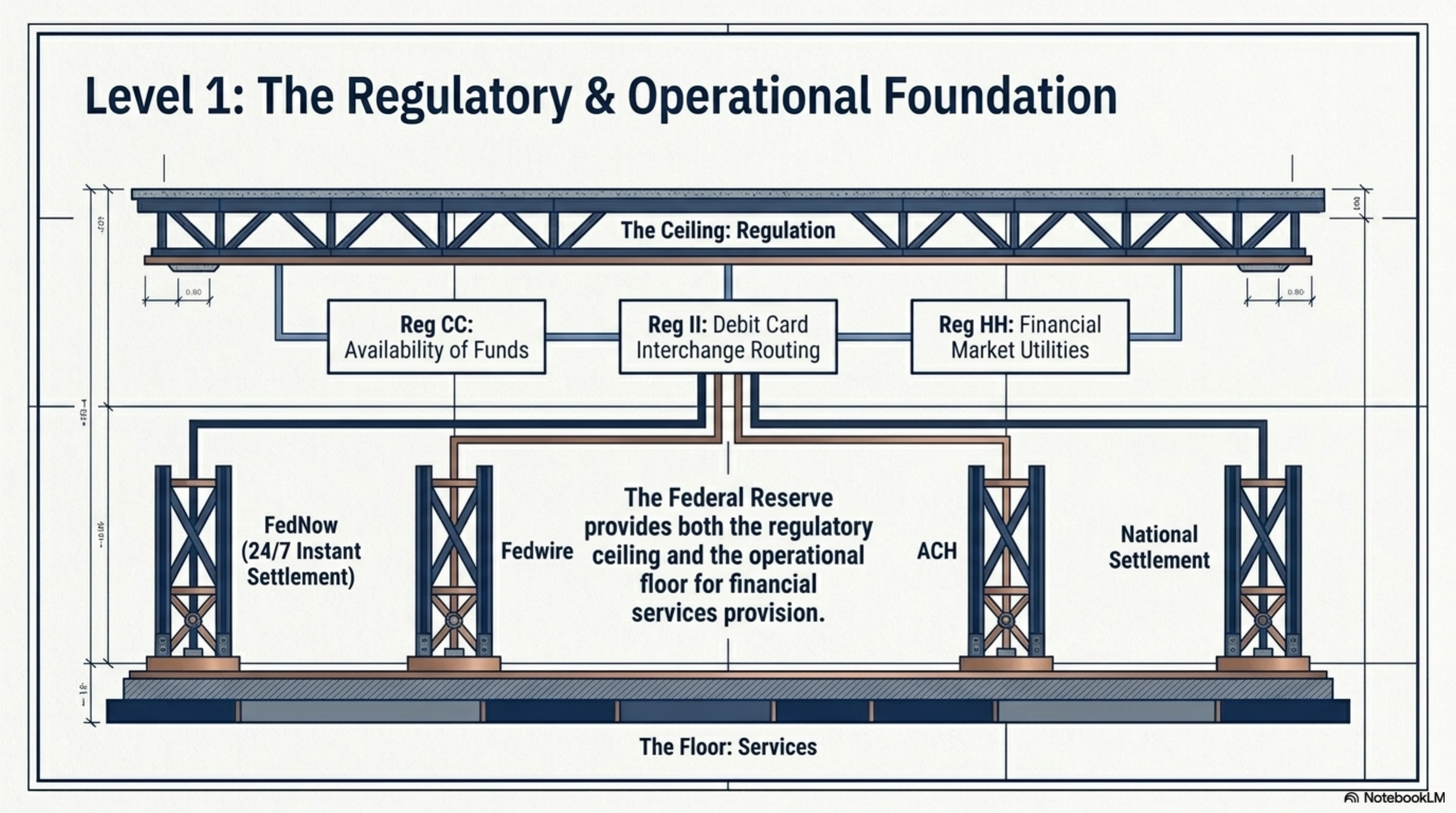
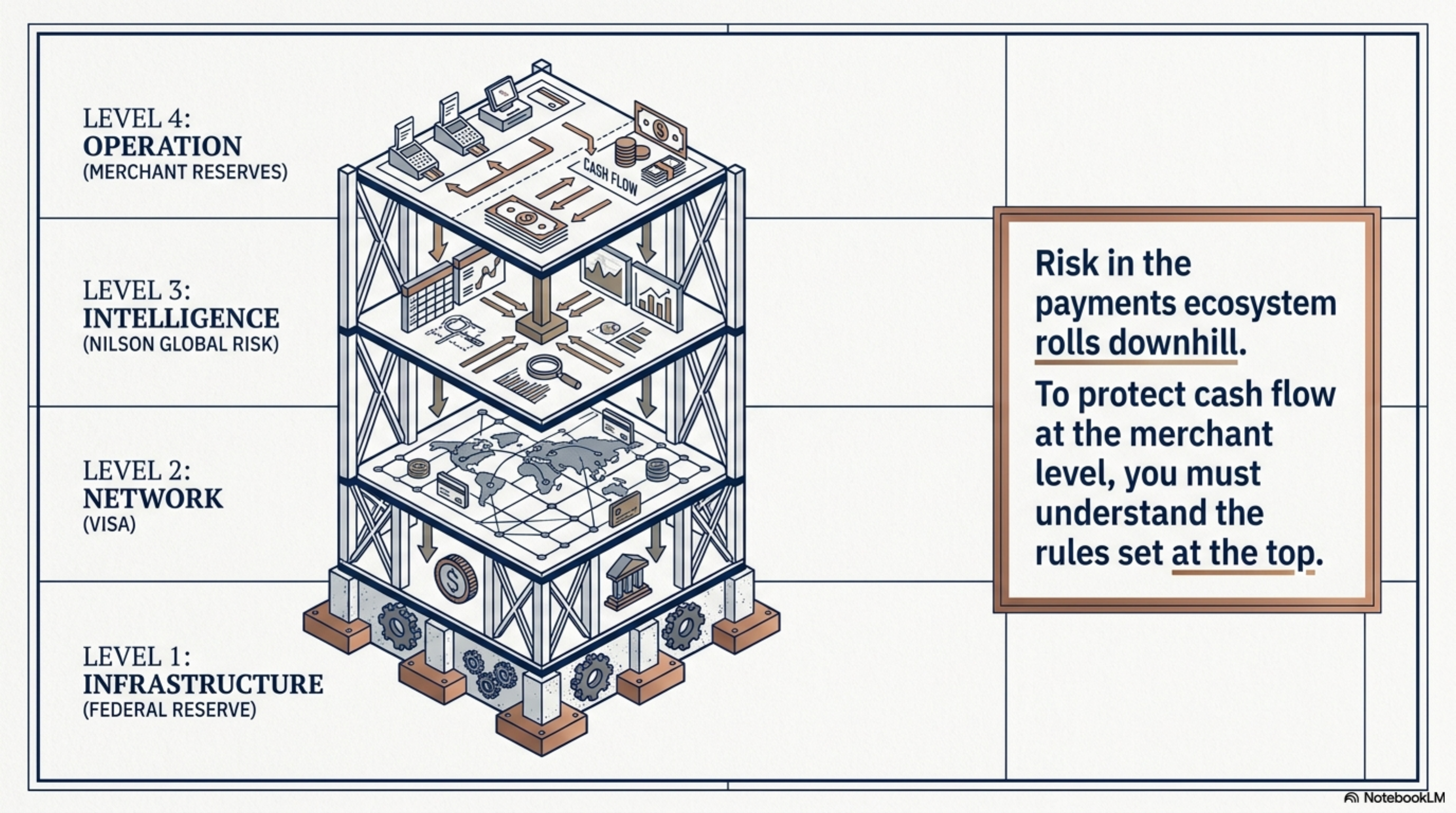
A reserve increase happens when the processor's underwriting team raises one of these caps mid-contract. They cite the discretionary risk clause in your merchant processing agreement (MPA), which gives them the right to adjust reserves at any time based on portfolio performance. The Federal Reserve payment system oversight materials document the underwriting framework acquirers use to assess merchant risk, including chargeback ratio thresholds, return rates, and concentration risk.
The trigger is rarely a single bad day. It is a pattern that exceeds a documented threshold from Visa or Mastercard, or an internal acquirer threshold that follows from those card brand programs. Visa publishes its Dispute Monitoring Program thresholds: 100 disputes plus a 0.9 percent dispute-to-transaction ratio for Standard, and 1.8 percent for Excessive. Mastercard's Excessive Chargeback Merchant program kicks in at 100 chargebacks and a 1.5 percent ratio. Acquirers monitor against these public benchmarks plus internal scoring layered on top.
A reserve increase is when your processor raises the percentage or dollar amount of settlement funds held back to cover future chargeback, refund, or fraud liability.
How it works under the hood
The reserve increase process follows a roughly standardized flow across acquirers, even though each risk team applies it differently. The trigger comes from one of two places: an automated portfolio monitoring system that flags your account on daily or weekly review, or a manual review prompted by a card brand notification, a sudden volume change, or a chargeback complaint from an issuing bank.
- Signal detected. Your account crosses a threshold. The most common: chargeback ratio at 0.65 percent (an early warning level, not yet VDMP), refund rate trending above 5 percent, volume increase above 50 percent month over month, or an unusual concentration of transactions in a single BIN range.
- Account placed in review. Underwriting pulls 90 to 180 days of statements and looks at chargeback reason codes, refund timing, gateway authorization decline ratios, and any MATCH list hits in the last 24 months.
- Risk score recalculated. Most acquirers run a proprietary risk score that combines card brand program status, refund rate, average ticket trend, and merchant category code (MCC) risk weighting. A score change of 30 points or more typically triggers reserve action.
- Reserve adjustment proposed. The underwriter selects a structure: raise the rolling reserve percentage (commonly from 5 to 15 percent), extend the holdback period (90 to 180 days), or impose an up-front cash reserve equal to 30 to 90 days of average settlement.
- Notice sent. The merchant receives a written notice. The MPA usually requires 5 to 30 days notice depending on the contract. Some MPAs allow immediate reserve increase if the trigger is card brand program placement.
- Funds withheld from next settlement. Reserve funds are deducted starting the effective date. If the increase is large, weekly cash flow can drop 10 to 25 percent overnight.
The Nilson Report tracks acquirer chargeback portfolio data and notes that reserve increase actions rose 18 percent across the U.S. merchant base between 2023 and 2025, driven mainly by card-not-present chargeback growth.
Chargeback ratios are calculated by transaction count, not dollar volume. A $5 dispute on a 1,000 transaction month counts the same as a $500 one.
Where it goes wrong for operators
Reserve increases bite operators in five common patterns. Each maps to a different trigger and a different response.
Pattern 1: The chargeback drift
You sit at 0.5 percent chargeback ratio for two years. A bad ad campaign or a subscription billing change pushes you to 0.85 percent for one month. You assume it will normalize. The next month you hit 0.95 percent and Visa places you in VDMP Standard. Your processor raises rolling reserve from 5 to 15 percent on $400,000 monthly volume. That moves $40,000 in incremental funds into holdback, a direct working capital hit on top of the existing $60,000 baseline reserve.
Pattern 2: The seasonal spike misread
Q4 e-commerce merchants run 3x average volume in November and December. If you did not warn underwriting in October, the spike triggers automated review. The processor reads it as fraud risk or a sudden business model change. On a $250,000 baseline that runs to $750,000 in December, a 10 percent rolling reserve becomes $75,000 held back during peak season, exactly when inventory and ad spend need to flow.
Pattern 3: The refund spiral
Refund rate climbs from 3 to 7 percent because of a product quality issue or a supply delay. Refunds do not count as chargebacks, but they hit the processor's risk model the same way. A sustained refund rate above 5 percent for 60 days is a standard trigger at most acquirers. The reserve bump is typically 200 to 400 basis points.
Pattern 4: The MATCH list inquiry
You apply for a backup processor. They pull MATCH (Member Alert to Control High-Risk Merchants). Even if you are not on the list, the inquiry is logged. Your primary processor sees the inquiry trail and treats it as a churn signal, which their risk model weights as elevated risk. Reserve goes up even though nothing else changed.
Pattern 5: The MCC mismatch
You sell a new product category that should fall under a different MCC. The processor catches the mismatch, applies a risk weighting from the new MCC, and adjusts reserves. On a $500,000 monthly volume merchant moving from MCC 5734 (computer software) to MCC 5816 (digital goods), the reserve adjustment can move from 0 to 8 percent: a $40,000 holdback that did not exist the month before.
Worked example with real numbers
Vertical: e-commerce health supplements. Monthly volume: $480,000. Average ticket: $68. Current processor: IC++ pricing at interchange plus 0.25 percent plus 8 cents. Rolling reserve: 5 percent held 90 days. The merchant has been on this structure for 14 months without incident.
In March, a new subscription auto-renew flow ships. The opt-out path is buried two clicks deep, and cardholders dispute the renewal charge instead of canceling. Chargeback count goes from 22 in February to 71 in March on roughly 7,100 transactions: a 1.0 percent dispute ratio. Visa flags Standard placement in VDMP per published dispute thresholds.
April 15: the processor sends a reserve increase notice. Rolling reserve goes from 5 percent to 15 percent. The holdback period extends from 90 to 180 days.
The math on cash impact, with daily volume of about $16,000:
- Baseline reserve: 5 percent of daily volume = $800 per day, held 90 days, steady-state balance around $72,000.
- New reserve: 15 percent of daily volume = $2,400 per day, held 180 days, steady-state balance climbing toward $432,000.
- Additional cash absorbed in the first 90 days under the new structure: roughly $144,000 versus the prior baseline.
- Weekly settlement dropped from $106,400 to $95,200, an $11,200 cash flow hit per week during peak demand.
The fix took five months. The merchant fixed the auto-renew UX, added pre-renewal email notifications 7 days ahead, and got chargebacks below 0.9 percent for four consecutive months to exit VDMP. The processor then agreed to step down the reserve from 15 to 10 percent at month 5 and from 10 to 7 percent at month 9.
Operator playbook
Run these in order this week.
- Pull your last 6 months of statements and calculate chargeback ratio monthly. Divide chargeback count by total transaction count, not by dollar volume. The card brand thresholds use count-based ratios. If you are above 0.65 percent, you are already in the underwriting warning zone.
- Calculate your refund rate the same way. Refund count divided by transaction count. If sustained above 5 percent for 60 days, expect a reserve review within 30 days.
- Pull the reserve clause from your MPA. Look for the phrase "in its sole discretion" near reserve language. That phrase appears in 90 percent of acquirer contracts and grants unilateral reserve adjustment rights. Note the notice period (typically 5 to 30 days).
- Audit chargeback reason codes for the top 3 reasons. If reason 10.4 (fraud, card-absent) dominates, check your 3DS coverage. If reason 13.1 (merchandise not received) dominates, audit shipping timelines. Each reason code maps to a specific fix.
- Warn underwriting about expected volume spikes 30 days ahead. A Q4 spike, a Super Bowl ad, a viral TikTok: each warrants a heads-up email to your processor's risk team. Volume that is pre-disclosed rarely triggers reserves.
- Ask for the risk score in writing. Most acquirers will not share the model, but they will tell you which factors moved your score. The 3 most common: chargeback ratio, refund rate, average ticket variance. Request the inputs so you can target them.
- Negotiate a reserve glide path before signing any new MPA. Lock in language that reduces reserve by 100 basis points every 6 months of clean processing. A 5 percent starting reserve should drop to 2 percent at month 18 if chargebacks stay under 0.5 percent.
- Build a 90-day cash buffer separate from reserves. Treat reserve risk as a known cost of card-not-present processing. Operators running $250K and above monthly should keep 30 to 60 days of operating cash outside the processor's hold.